

How to Choose the Best Motorcycle Half Helmets for Safety, Comfort, and Style?
2026-06-12
Motorcycle half helmets remain one of the most popular choices among riders who value freedom, ventilation, and a classic riding experience. Whether you ride a cruiser, touring motorcycle, scooter, or custom bike, choosing the right helmet can significantly improve comfort and confidence on the road.
However, many riders struggle with questions such as: Are half helmets safe enough? How do you choose the correct size? Which materials provide the best durability? What features should you prioritize when buying?
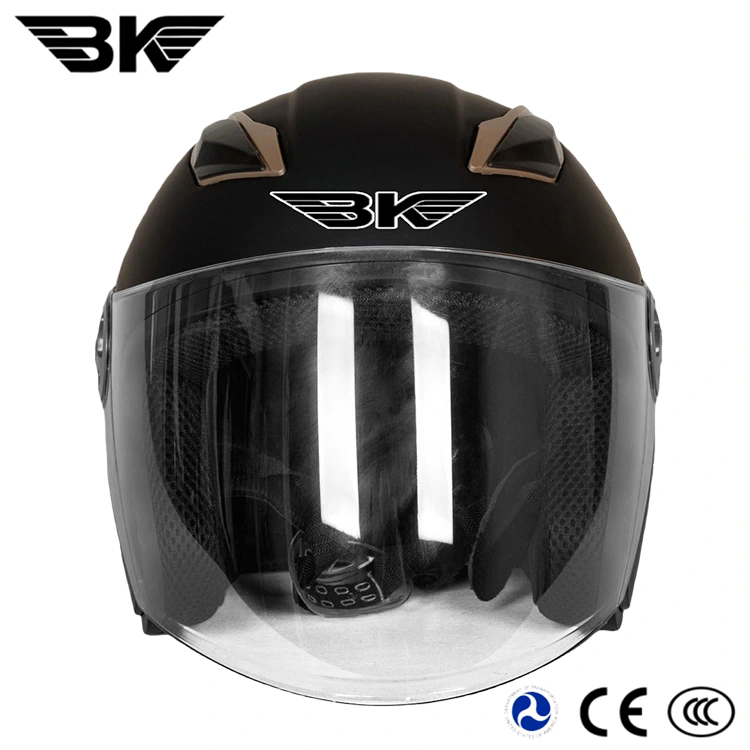
This comprehensive guide answers these common concerns and helps riders make informed decisions when selecting motorcycle half helmets. You'll learn about safety standards, sizing, materials, comfort features, maintenance tips, and how to find the perfect helmet for your riding needs.
Table of Contents
- Understanding Motorcycle Half Helmets
- Benefits of Motorcycle Half Helmets
- How Safe Are Motorcycle Half Helmets?
- Key Features to Consider Before Buying
- Helmet Materials Comparison
- How to Choose the Correct Helmet Size
- Comfort and Ventilation Considerations
- Half Helmet vs Other Helmet Types
- Maintenance and Care Tips
- Buying Guide for Different Riders
- Frequently Asked Questions
- Conclusion
Understanding Motorcycle Half Helmets
Motorcycle half helmets are designed to cover the top portion of the rider's head while leaving the face and ears largely exposed. Their lightweight construction and open design make them especially popular among cruiser riders and those who frequently ride in warm climates.
Unlike full-face helmets, half helmets prioritize airflow and visibility while maintaining essential head protection. Modern designs have evolved considerably, incorporating advanced materials, improved retention systems, and enhanced comfort features.
Many riders appreciate the minimalistic appearance of half helmets because they provide a classic motorcycle aesthetic while reducing neck fatigue during long rides.
Benefits of Motorcycle Half Helmets
Understanding the advantages of motorcycle half helmets helps riders determine whether they are suitable for their riding style.
- Lightweight design reduces neck strain.
- Excellent airflow during hot weather.
- Wide field of vision.
- Easy communication with fellow riders.
- Convenient for short-distance commuting.
- Classic and stylish appearance.
- Less restrictive than larger helmet types.
For riders who frequently travel in urban environments or enjoy leisurely cruising, these benefits can significantly improve the riding experience.
How Safe Are Motorcycle Half Helmets?
Safety is often the first concern when considering a half helmet. While no helmet can eliminate all risks, a certified motorcycle half helmet provides important protection against head injuries.
When evaluating safety, riders should focus on recognized certification standards. A quality helmet should meet applicable safety requirements in the target market.
| Safety Factor | Importance |
|---|---|
| Impact Absorption | Reduces force transferred to the skull during impacts. |
| Retention System | Keeps the helmet securely in place. |
| Shell Strength | Provides structural protection. |
| Quality Liner | Improves energy management during collisions. |
| Proper Fit | Ensures maximum protective performance. |
Although full-face helmets generally offer greater coverage, properly certified motorcycle half helmets remain a practical option for many riders seeking a balance between protection and comfort.
Key Features to Consider Before Buying
Not all motorcycle half helmets are created equal. The following features can significantly influence overall performance and rider satisfaction.
1. Helmet Certification
Always verify that the helmet complies with applicable safety standards. Certification demonstrates that the helmet has undergone testing for impact resistance and retention effectiveness.
2. Weight
Lighter helmets reduce fatigue, especially during long rides. Advanced composite materials often provide excellent strength while maintaining a lower overall weight.
3. Retention System
A durable chin strap and reliable buckle system help ensure the helmet remains securely positioned during riding conditions.
4. Interior Padding
High-quality moisture-wicking liners enhance comfort and can improve helmet fit over extended periods.
5. Ventilation
Proper airflow helps riders remain cool and comfortable, especially in warm climates and during summer riding seasons.
Helmet Materials Comparison
The material used in helmet construction directly affects weight, durability, and comfort.
| Material | Advantages | Considerations |
|---|---|---|
| ABS Plastic | Affordable and durable | Slightly heavier |
| Fiberglass | Strong and lightweight | Higher cost |
| Carbon Fiber | Extremely light and strong | Premium pricing |
| Composite Materials | Balanced performance | Varies by manufacturer |
The ideal choice depends on riding frequency, budget, and performance expectations.
How to Choose the Correct Helmet Size
A helmet's effectiveness depends heavily on proper fit. Even the most advanced helmet may not perform optimally if the size is incorrect.
Step 1: Measure Your Head
Use a flexible measuring tape around the widest part of your head, approximately one inch above your eyebrows.
Step 2: Compare with Manufacturer Size Charts
Each manufacturer may have slightly different sizing standards, making it essential to consult specific size charts.
Step 3: Perform a Fit Check
- The helmet should feel snug but not painful.
- No excessive movement should occur when shaking your head.
- The helmet should sit level on the head.
- Pressure points should be minimal.
A properly fitted motorcycle half helmet provides superior comfort and safety throughout every ride.
Comfort and Ventilation Considerations
Comfort plays a critical role in rider satisfaction. Even a highly protective helmet may become inconvenient if it causes discomfort during extended use.
Look for features such as:
- Moisture-wicking interior fabrics.
- Removable and washable liners.
- Lightweight shell construction.
- Strategically designed airflow channels.
- Padded retention straps.
Many modern motorcycle half helmets are engineered specifically to maximize airflow while maintaining structural integrity.
Half Helmet vs Other Helmet Types
| Helmet Type | Coverage | Ventilation | Weight | Visibility |
|---|---|---|---|---|
| Half Helmet | Moderate | Excellent | Lightest | Excellent |
| Open Face Helmet | Higher | Very Good | Moderate | Very Good |
| Modular Helmet | High | Good | Heavier | Good |
| Full Face Helmet | Maximum | Moderate | Heaviest | Good |
The best helmet depends on personal riding preferences, climate conditions, and intended motorcycle usage.
Maintenance and Care Tips
Proper maintenance extends helmet lifespan and preserves performance.
- Clean the outer shell regularly with mild soap and water.
- Avoid harsh chemical cleaners.
- Inspect retention straps frequently.
- Replace damaged components immediately.
- Store helmets away from direct sunlight.
- Follow manufacturer replacement recommendations.
Routine inspection helps identify wear before it becomes a safety concern.
Buying Guide for Different Riders
| Rider Type | Recommended Features |
|---|---|
| Daily Commuters | Lightweight design, moisture control, easy maintenance |
| Cruiser Riders | Classic styling, premium comfort padding |
| Touring Riders | Low weight, superior ventilation, durable shell |
| Weekend Riders | Balanced comfort and affordability |
| Custom Bike Enthusiasts | Distinctive appearance and premium finishes |
Manufacturers such as Ningde Chief Pigeon Technoligy Co.Ltd. continue developing motorcycle half helmets that combine modern safety features, comfortable designs, and attractive styling to meet the needs of diverse rider groups around the world.
Frequently Asked Questions
Q1: Are motorcycle half helmets suitable for long rides?
Yes. Their lightweight construction can reduce neck fatigue, making them comfortable for extended journeys, especially in warm weather conditions.
Q2: How often should I replace a motorcycle half helmet?
Replacement intervals depend on usage, environmental exposure, and manufacturer recommendations. Helmets involved in significant impacts should generally be replaced immediately.
Q3: Can I wear glasses with a half helmet?
Yes. Many riders find half helmets compatible with prescription glasses and sunglasses due to their open design.
Q4: What is the biggest advantage of a half helmet?
The combination of lightweight comfort, excellent airflow, and a wide field of vision makes half helmets highly attractive to many riders.
Q5: How do I know if my helmet fits correctly?
A correctly fitted helmet should feel snug, remain stable during movement, and avoid creating painful pressure points.
Conclusion
Choosing the right motorcycle half helmet involves more than selecting a style you like. Riders should carefully evaluate safety certifications, shell materials, fit, comfort features, ventilation performance, and overall construction quality.
A well-designed motorcycle half helmet can provide an excellent balance of protection, comfort, visibility, and riding enjoyment. By understanding the factors discussed in this guide, riders can make confident purchasing decisions that enhance every journey on the road.
Looking for reliable motorcycle half helmets that combine quality craftsmanship, rider comfort, and dependable performance? Ningde Chief Pigeon Technoligy Co.Ltd. offers a wide range of helmet solutions designed to meet diverse riding needs. Contact us today to learn more about our products, request a quotation, or discuss your specific requirements with our professional team.